







MUSCAT, APRIL 14
The Sultanate of Oman is moving to deepen its aviation value chain with plans to establish a fully integrated aircraft maintenance, repair and overhaul (MRO) facility, alongside the launch of a regional airline to unlock underserved routes, Eng Said bin Hamoud al Maawali, Minister of Transport, Communications and Information Technology said at a joint media summit on April 13.
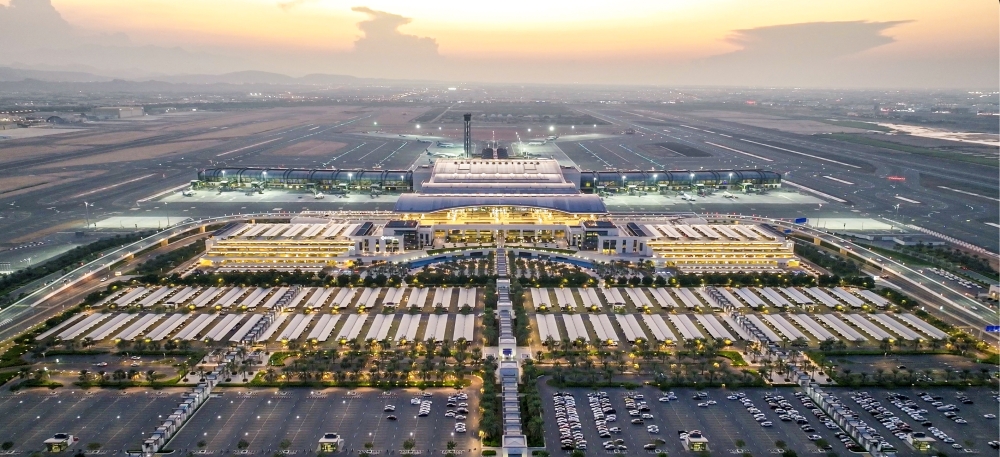
The proposed MRO facility — set to be developed through a partnership involving Garuda Indonesia — marks a strategic shift towards localising high-value aviation services. The initiative builds on existing capabilities in the Sultanate of Oman, including Oman Air Engineering, which already provides line and base maintenance for wide-body aircraft at Muscat International Airport.
“This year will witness the launch of the first fully integrated aircraft repair workshop in Oman. It will be a destination for aircraft maintenance not only for domestic flights but also for international flights”, Al Maawali said.
He added that the facility will initially provide light maintenance services before expanding into comprehensive MRO capabilities. “Gradually, we will offer all maintenance services in Oman”, he noted, signalling an ambition to reduce reliance on overseas providers and retain a larger share of aviation expenditure within the local economy.
Industry data indicate that maintenance remains one of the most significant cost components for airlines, often outsourced to specialised centres abroad. By developing in-country capabilities, Oman aims to enhance cost efficiency for its carriers while positioning itself as a regional MRO hub aligned with the National Aviation Strategy 2040.
The strategy targets more than RO 1 billion in private sector investment in aviation by 2040, with MRO identified as a key growth segment. Plans for a dedicated “MRO City” at Muscat International Airport — encompassing engine overhaul, component repair and airframe maintenance — are also under discussion, reinforcing the long-term vision.

Beyond commercial aviation, Oman already hosts specialised maintenance capabilities, including those operated by the Royal Air Force of Oman for military fleets, as well as technical service providers such as SGS Oman, which offer non-destructive testing and asset integrity services.
Complementing the MRO push, the ministry also confirmed plans to launch a regional airline targeting smaller aircraft operations to stimulate domestic and short-haul connectivity.
“You will see the launch of regional aviation this year... It will target small aircraft to revitalise destinations such as Masirah, Shaleem and Al Hallaniyat Islands and Khasab”, the minister said.
The proposed carrier is expected to improve access to emerging tourism destinations and support regional economic activity, while also linking secondary airports such as Suhar and Salalah to nearby international markets. Planned routes include connections to cities such as Abha in Saudi Arabia and, subject to conditions, destinations in Yemen from Salalah.
The regional aviation model is designed to complement existing full-service and low-cost operators by focusing on thinner routes that are not commercially viable for larger aircraft. Analysts note that such connectivity could play a critical role in dispersing tourism flows and activating underutilised airport infrastructure.
From a broader economic perspective, the combined push for MRO localisation and regional aviation reflects a more integrated approach to sector development. The MRO project is expected to generate skilled employment, enable technology transfer and stimulate ancillary industries, including training and specialised logistics.
As Oman advances its Oman Vision 2040 agenda, the twin initiatives signal a deliberate effort to move beyond passenger traffic growth towards capturing higher-value segments within the aviation ecosystem — positioning the Sultanate of Oman as both a connectivity hub and a technical services centre in the region.
Oman Observer is now on the WhatsApp channel. Click here


